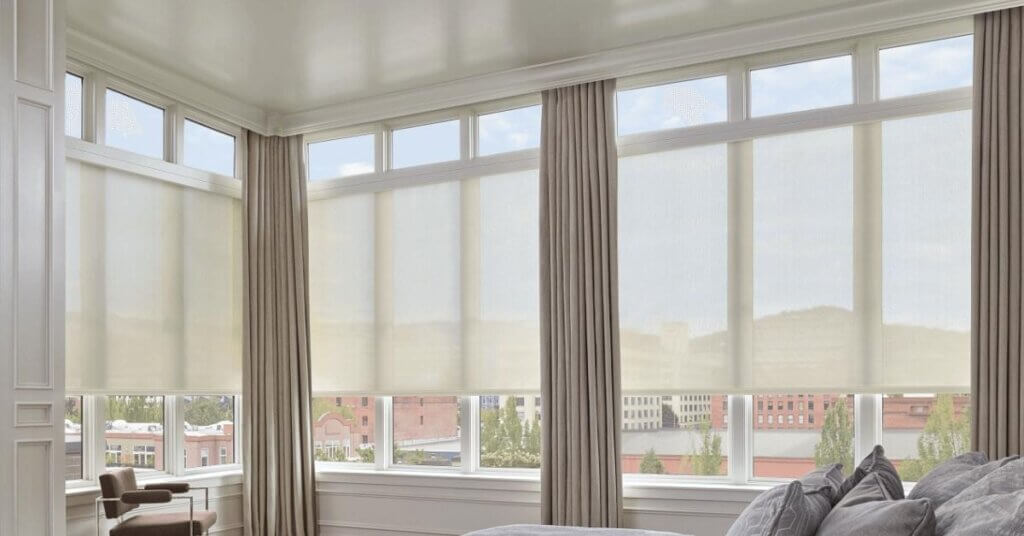
Solar shades offer both aesthetic appeal and practical benefits for your home or office. Understanding the factors that affect the cost can help you make an informed decision. In this guide, we’ll break down the key elements that influence the price of solar shades, so you can select the option that best fits your needs and budget.
1. Fabric Quality and Material Durability
The fabric used for solar shades is one of the biggest price factors. Different fabrics offer various levels of UV protection, durability, and light filtering. The openness factor of the fabric plays a major role in the overall cost:
- High-quality materials: Fabrics such as woven polyester or PVC are more durable and offer better performance in terms of UV blocking and heat reduction.
- Weave tightness and opacity: Solar shades with tighter weaves provide better UV protection and privacy, but these are often more expensive. The opacity level also influences price, with higher opacity shades costing more.
Takeaway:
High-quality fabrics with better UV protection and durability typically come at a higher cost. Look for the best balance between material quality and your budget’s needs.
2. Motorization and Smart Home Integration
Motorized solar shades add considerable cost to the project, but they offer added convenience and modern functionality. Motorization allows you to control the shades with a remote or app, and smart home integration allows you to sync them with systems like Amazon Alexa or Google Assistant.
- Remote control and automation features: These features not only increase the convenience but also the price. Motorized shades are great for hard-to-reach windows or large installations.
- Smart home compatibility: Integration with smart home systems may increase costs due to the technology involved.
Takeaway:
Motorized and smart solar shades provide added convenience but at a higher price. Consider automation if you value ease of use and smart home features.

3. Window Dimensions and Custom Sizing
Larger windows or non-standard window shapes often require custom-sized shades, which can raise costs. Customization involves more complex measurements, materials, and labor.
- Custom sizing: Custom solar shades are designed to fit each window precisely, and this often involves specialized shapes or oversized windows.
- Installation fees: Larger windows or windows requiring extra hardware for installation can increase labor costs.
Takeaway:
Customizing shades for larger or uniquely-shaped windows adds to the price. Accurate measurements are essential to ensure proper fit and minimize additional costs.
4. Installation Fees and Labor Costs
Installation costs can vary based on window size, the complexity of the job, and whether professional help is needed. DIY installation can save on labor, but professional installation ensures that your shades are installed correctly for optimal performance.
- Professional installation: Skilled installers ensure the shades are mounted securely, and their experience may result in a more efficient installation process, though it adds to the overall cost.
- DIY options: If you’re comfortable with tools and measurements, DIY installation can reduce costs, but improper installation may result in inefficient performance or damage to the shades.
Takeaway:
Professional installation adds to the cost, but it ensures the shades work efficiently. DIY installation saves money but requires more effort and expertise.
5. Brand Reputation and Warranty Coverage
The reputation of the brand can significantly influence the cost of solar shades. Well-known brands with a history of quality and customer satisfaction may charge more, but they often come with better warranty coverage and customer service.
- Brand quality: Established brands such as Somfy, Hunter Douglas, and Lutron are often associated with premium quality and longevity, which can justify the higher price.
- Warranty coverage: A solid warranty is essential for peace of mind. Brands with long warranty periods often reflect the quality and durability of their products.
Takeaway:
Opting for a trusted brand with comprehensive warranty coverage might cost more upfront, but it ensures long-term value and reliability.
Frequently Asked Questions about Solar Shades
What factors influence the cost of solar shades?
Several factors affect the cost of solar shades, including fabric quality, motorization, window dimensions, custom sizing, and installation fees. Other considerations, such as the brand reputation and warranty coverage, also play a role in determining the overall price.
Do motorized solar shades cost more than manual shades?
Yes, motorized solar shades generally cost more due to the added technology, such as remote control, app control, and smart home integration features.
What are solar shades made of?
Can solar shades be used in bathrooms?
Solar shades are not ideal for high-moisture areas like bathrooms unless moisture-resistant fabrics are used. Always ensure the fabric is suitable for the space.
Are solar shades energy-efficient?
Yes, solar shades help with energy efficiency by blocking heat and UV rays, which can reduce cooling costs, particularly in warmer climates.
Conclusion
Solar shades offer significant benefits in terms of UV protection, energy efficiency, and light control. However, various factors like fabric quality, motorization options, custom sizing, installation fees, and brand reputation will affect the cost of your solar shades. By understanding these elements, you can make a more informed decision and select solar shades that suit both your needs and your budget.
At Made in the Shade Little Rock, we provide high-quality solar shades tailored to your preferences. Contact us today to get a personalized quote and enhance your space with solar shades that offer comfort and style.