
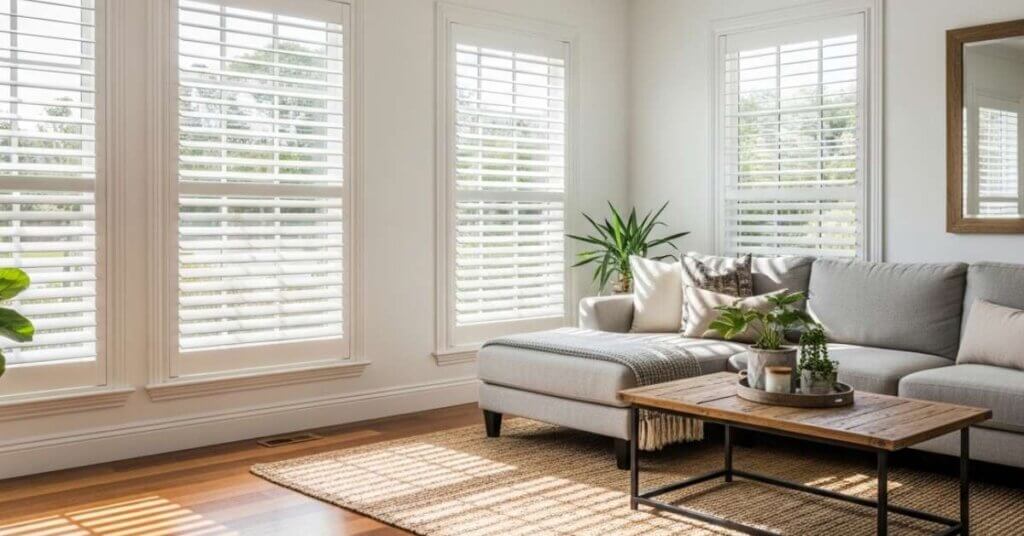
Choosing the best wood shutters isn’t just about covering windows—it’s about matching your home’s architecture, improving insulation, and enhancing overall aesthetics. From classic plantation shutters in colonial homes to rustic cedar panels in farmhouse spaces, the right material, finish, and design can completely transform how your home looks and feels. This guide breaks down the best options by style so you can make a confident, well-informed decision.
Why Wood Shutters Remain a Top Choice
Wood shutters continue to stand out for their durability, versatility, and timeless appeal.
- Excellent insulation to help regulate indoor temperatures
- Custom fit and framing for unique window shapes
- Flexible light control with adjustable louvers
- Long-lasting finishes and stains that age beautifully
Popular materials like basswood and cedar are especially valued for their strength, lightweight feel, and resistance to warping over time.
Matching Wood Shutters to Architectural Styles
Choosing shutters that align with your home’s architecture helps create a cohesive, polished look. Here’s how to match styles effectively:
Traditional & Colonial Homes
Classic and symmetrical, these homes benefit from:
- Plantation shutters with wide louvers
- Painted finishes in white or neutral tones
- Decorative hinges and hardware for authenticity
These shutters enhance both curb appeal and interior comfort, especially in homes with large, evenly spaced windows.

Modern & Contemporary Homes
Clean lines and minimalism define modern spaces. The best wood shutters here include:
- Flat panels or sleek plantation shutters
- Smooth stains or matte finishes
- Hidden or streamlined hardware
This approach keeps the focus on simplicity while still providing privacy and light control.

Farmhouse & Rustic Styles
Warm, inviting, and textured—farmhouse homes pair beautifully with:
- Cedar shutters for a natural, rustic look
- Distressed finishes or earthy stains
- Board-and-batten panels for exterior applications
These choices add character while standing up to outdoor elements.

Craftsman Homes
Known for handcrafted details, craftsman homes work best with:
- Medium-width louvers for balanced light control
- Rich wood stains that highlight grain patterns
- Solid framing that complements built-in woodwork
This style emphasizes craftsmanship and natural materials.

Mediterranean & Coastal Homes
Coastal homes often deal with strong sunlight and heat. Ideal shutter options include:
- Wider louvers for airflow and brightness control
- Light-colored finishes to reflect heat
- Durable wood with protective coatings
They help maintain comfort while preserving the home’s breezy aesthetic.

Victorian & Cottage Styles
Decorative and charming, these homes shine with:
- Smaller louvers or detailed panels
- Custom shapes for arched or unique windows
- Soft, painted finishes or subtle stains
These shutters enhance visual detail without overwhelming the design.

Quick Comparison Table
Style | Best Materials | Louver Size | Finish Type | Key Benefit |
Colonial | Basswood | Wide | Painted | Classic symmetry |
Modern | Basswood | Wide/Flat | Matte/Stained | Clean, minimal look |
Farmhouse | Cedar | Medium | Distressed/Stained | Rustic charm |
Craftsman | Basswood | Medium | Rich stain | Natural craftsmanship |
Mediterranean | Cedar | Wide | Light finishes | Heat and light control |
Victorian | Basswood | Small | Painted/Stained | Decorative detail |
Key Features to Consider Before Choosing
When selecting the best wood shutters, keep these factors in mind:
- Material: Basswood for smooth finishes, cedar for moisture resistance
- Louvers: Larger louvers offer better views; smaller ones provide more privacy
- Hardware: Hinges and brackets impact both function and style
- Finishes: Painted vs. stained depends on your design preference
Placement: Interior shutters focus on comfort; exterior shutters enhance curb appeal
Frequently Asked Questions
1. What is the best wood for shutters?
2. Are plantation shutters suitable for all home styles?
3. Do wood shutters improve insulation?
4. How do I choose between painted and stained finishes?
5. Are custom shutters worth it?
Conclusion
The best wood shutters do more than complement your windows—they enhance your home’s architecture, improve comfort, and add lasting value. By choosing the right material, louver size, and finish, you can create a cohesive look that feels intentional and functional. Whether your home leans modern, rustic, or traditional, there’s a shutter style designed to match it perfectly.
If you’re ready to find the right fit for your space, consider scheduling a free consultation with MITS Little Rock. A professional can help you explore custom options, compare materials, and ensure your shutters align with both your style and everyday needs.